Our Mahogany Heritage Project
Whispers from
the Millpond
Preserving the Slave Cemetery of Oak Hall Plantation
A Living Archive
Willtown · Black Mingo · Jack's Creek · Williamsburg County, S.C.
The plantation economy kept careful records. Cotton yields. Land values. Property transfers. It counted human beings among that property and wrote their names in the same columns as livestock and acreage. But it did not record their stories. It did not record what they built, who they loved, or what they left behind.
The ground did that instead.
This archive recovers those stories from death certificates, census records, church rolls, estate inventories, and letters never meant to be read by anyone but the women who wrote them. Every name here is drawn from primary sources. Where records conflict, we say so. We will never fill an archival gap with a guess.
Through a subgrant from the Gullah Geechee Cultural Heritage Corridor Commission, Our Mahogany Heritage documented and interpreted the historic Millpond burial ground and the surrounding Black Mingo landscape, the burial ground of Oak Hall Plantation in Nesmith, SC.
The project digitized primary source records, including wills, marriage settlements, church deeds, death certificates, maps, and family archives, reconstructed the history of the enslaved families connected to this site, and created educational content for public interpretation. This work preserves endangered cultural knowledge and lays the foundation for a descendant-led digital archive and future preservation initiatives.
"Our Mahogany Heritage uses DNA research, primary-source documentation, and oral history to put names back where the record erased them, and to teach that history to the descendants who are still here to hear it." Tanya Jones, FounderIn Partnership With

Each chapter builds on the last. Tap any entry to see what's inside.
-
›
The Millpond / Jack's Creek Cemetery in Nesmith, SC, a sacred burial ground at the edge of dark water where the names of the enslaved were swallowed by moss, yet the land itself remembers.
Read this chapter -
›
Ten Black families buried their dead at Millpond Cemetery in Williamsburg County. Their names recovered from death certificates, census records, church rolls, and headstones worn smooth by time.
Read this chapter -
›
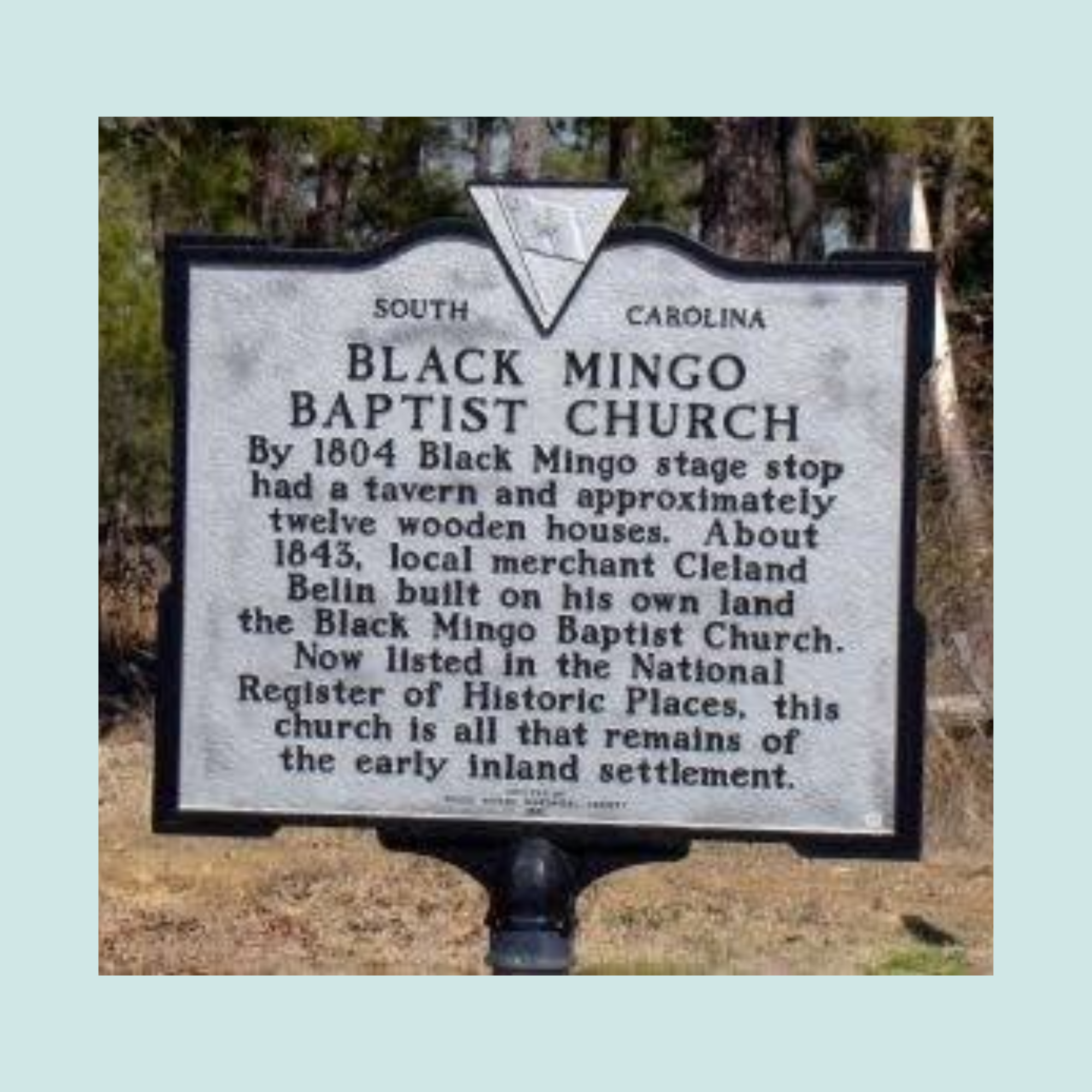 Black Mingo / Belin Baptist Church, Nesmith, S.C.
An archival investigation into who really built the economy of Black Mingo Creek, and whose labor the official record deliberately erased. The town is gone. The paper trail is not.
Read this chapter -
›
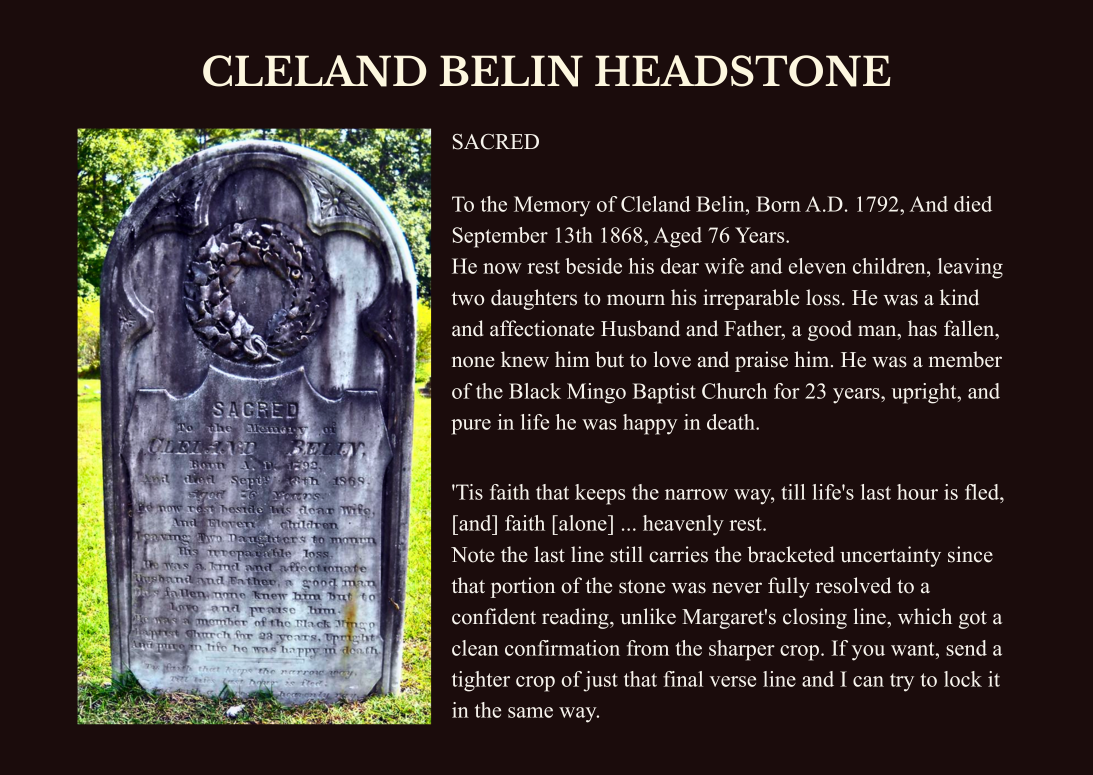 Cleland Belin's headstone
He built the Black Mingo Baptist Church with enslaved hands in 1843, then directed those same people upstairs. His will made sure they could never govern it. Behind a fence in the cemetery: a man named Bill.
Read this chapter -
›
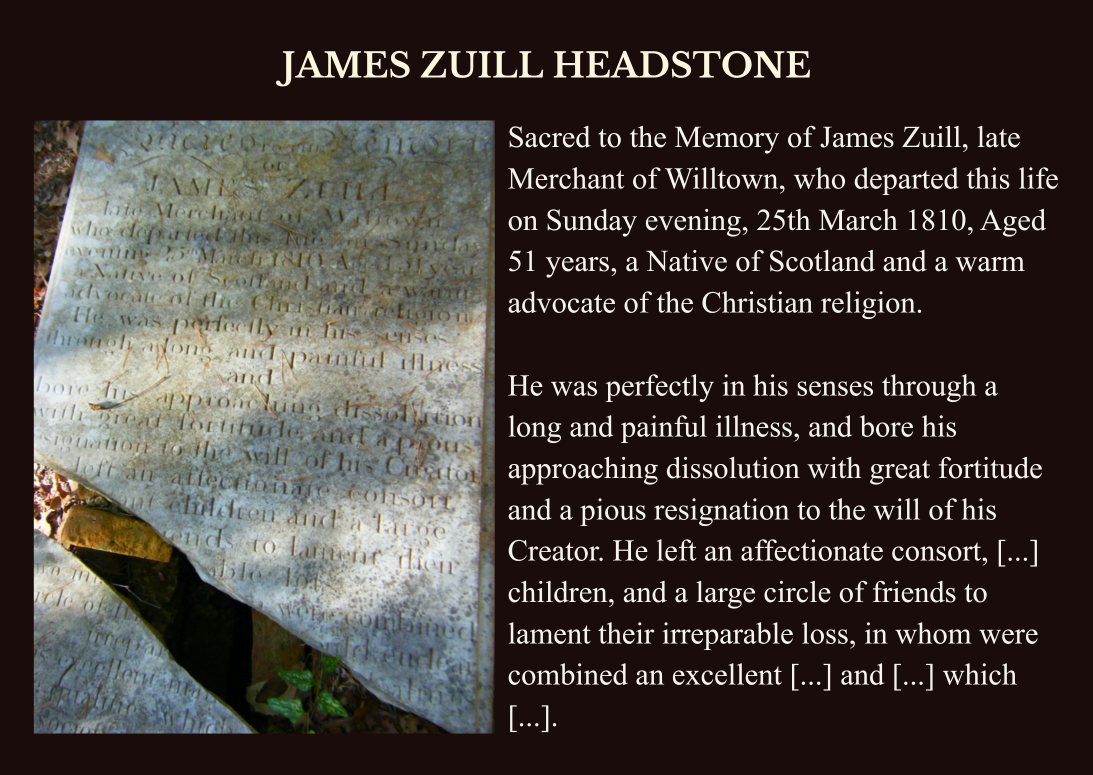 James Zuill's headstone
He arrived from Scotland and planted himself at the Black Mingo River. He built Willtown's power through wills, deeds, and family alliances designed to last two hundred years. They did.
Read this chapter -
›
 Thomas "Old Tom" McConnell's headstone
Before Jane, there was Thomas. The man who held the deed to Oak Hall Plantation and to the people forced to work it. His paper trail of purchases, transfers, and holdings sets the stage for everything that follows.
Read this chapter -
›
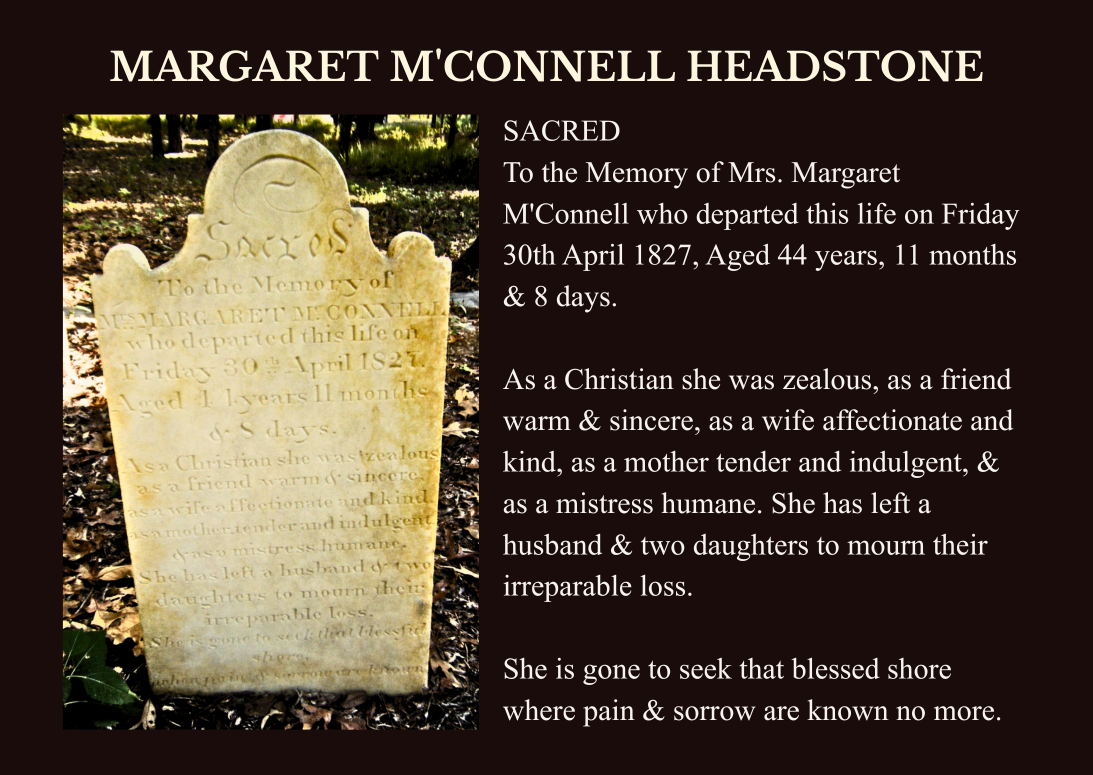 Margaret M'Connell's headstone, McConnell family plot
April 1864. Paralyzed, signing with a mark, a widow divides 1,500 acres and 65 enslaved people, named one by one, among her six children. A wartime will, read in full.
Read this chapter -
›
In 1856, a seven-year-old named Grace was sent a hundred miles from her mother as part of a wedding arrangement. A marriage settlement valued Elvira and her four children at five dollars. The letters that survived prove it three ways.
Read this chapter -
›
After the war, a formerly enslaved man named Franklin walked into a Freedmen's Bank and named his own people on his own terms. The family found its way back. And Grace prepared to buy back the ground they'd worked for nothing.
Read this chapter -
›
January 1892. Grace Dorsey signed for 77 acres of the plantation where she had been enslaved as a child. She and George named it Dorsey Town. This is what they built on it, and what their descendants still hold today.
Read this chapter -
›
The names are recovered. The ground still holds them. A closing reflection on what this archive means for the descendants who are still here, and what remains to be found.
Read this chapter
Chandler
McBride
Tucker
Davis
Grayson
Miller
White
Dorsey
Scott
Snow
"They did not merely share a county. They buried each other's dead, named each other in their records, and chose the same ground for their rest."
Whispers from the Millpond