

Williamsburg County, South Carolina
Thomas "Old Tom" McConnell
The Man Who Held the Deed
Chapter Contents
You may navigate this chapter via the index below.
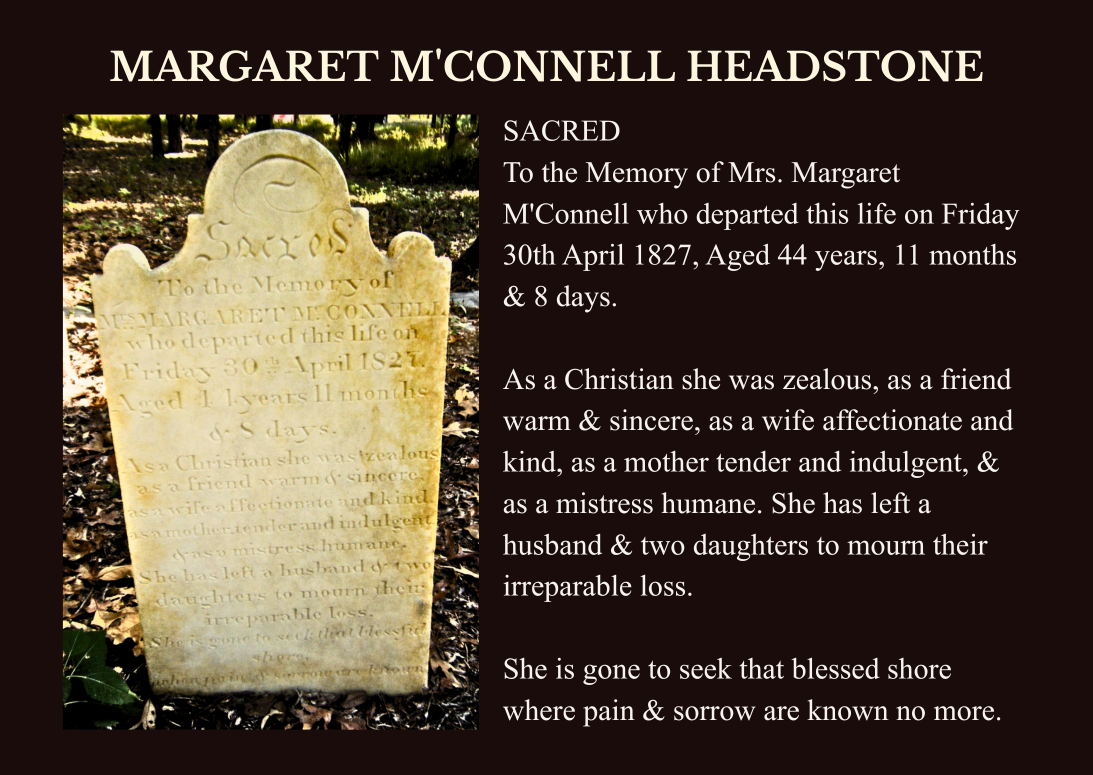
I. He Married Into This World
How a marriage to Margaret, James Zuill's widow, made Old Tom McConnell stepfather to her children and placed him at the center of Willtown's merchant class and the interconnected families who controlled the Black Mingo River corridor.
II. He Took It to the Senate
In 1812, Old Tom McConnell petitioned the South Carolina Senate to reroute the roads cutting through Zuill's plantation, filing a map that named Oak Hall Plantation and three burial grounds together for the first time.
III. The Plantation
In 1832, Old Tom gave Oak Hall Plantation to his stepdaughter Jane and his son, also named Thomas McConnell, 1,500 acres, $8,050 in cash, and 26 enslaved people whose names were recorded in the deed alongside the land.
IV. He Sold the Ground at Willtown
In 1847, Old Tom McConnell sold the ground at Willtown to Cleland Belin, the same man who had witnessed Zuill's will thirty-seven years earlier, in a plat that recorded the structures built for those enslaved there.
V. What the Record Shows
The documents show what Old Tom McConnell did. Executor, trustee, landowner. By 1866, the 26 enslaved people he passed down had grown to 72 in his son's household, divided among six children in Jane McConnell's will.
VI. The Door, Not the Room
Old Tom McConnell was one man inside a much larger system. Understanding him means understanding the world those 26 people, and the 46 who came after them, were born into.
VII. Coming Next: The Family Behind the Deed
Among those 72 names in Jane McConnell's will were mothers, fathers, sons, and daughters who survived the plantation, built families, and left descendants who still walk Williamsburg County today.
VIII. Glossary
Key terms from this chapter defined, including co-executor, deed, plantation, merchant class, will, enslaved people, estate, and Oak Hall Plantation.
He Married Into This World

He Took It to the Senate
November 27, 1812. Two years after being named co-executor of James Zuill's estate, Old Tom McConnell stood before the South Carolina Senate.
Four public roads cut through the Zuill plantation on Black Mingo Creek. McConnell said the roads were tearing the land apart, and the land wasn't his to lose. It belonged to Zuill's children. He was holding it for them.
He is named in his own hand as "sole Executor of James Zuill" in the petition itself. The record doesn't say what became of whoever else may have once shared that role, only that by 1812, Old Tom McConnell was the one standing in front of the Senate, carrying it alone.
The Senate granted his petition. Two roads were rerouted. A new one was cut through dry ground instead.
The map filed with that petition still exists. It names Black Mingo Church. It names Belin Cemetery, Mill Pond Cemetery, and McConnell Cemetery, three burial grounds, on paper, together, for the first time in any known record. It names Oak Hall Plantation, 1,500 acres, where Elvira and her children would later live and work.
This is the ground the rest of this story happens on.
"...he cannot, in justice to the children for whom he acts, quietly submit to so great a sacrifice of their property without first appealing to that tribunal who alone can redress them."
Old Tom McConnell, petition to the South Carolina Senate, November 27, 1812
In plain terms: McConnell is telling the Senate he won't let the roads cut apart Zuill's children's inheritance without a fight. He's asking the state to step in and protect what belongs to them.
On this map: Oak Hall Plantation (1,500 acres) · Willtown · Black Mingo Church · Belin Cemetery · Mill Pond Cemetery · McConnell Cemetery · Jack's Creek.
The Plantation
He Sold the Ground at Willtown
March 10, 1847. Surveyor J. Benjamin Johnson walked the ground at Willtown on Black Mingo and drew what he found, two lots, storehouses, a road, a landing on the creek. He marked who now owned it. And he marked who sold it to him.
The buyer was Cleland Belin. The seller was Old Tom McConnell.
They weren't strangers. Thirty-seven years earlier, Belin had stood in the room where James Zuill's will was read, one of three men who witnessed it. Now he came back, not as a witness this time, but as a buyer.
Look closely at the plat and there's a row of small structures set apart from the main house, the kind built for people who were enslaved there. If the drawing is accurate, some of the people who appear on this survey, unnamed, are likely ancestors in this story.
Old Tom sold this ground. He didn't take it with him. What happened to it next, who came back for it, and what it cost them to do it, is a story of its own.
What the Record Shows
What it does tell us is this, one of those 72 names would change everything. But that story belongs to its own chapter.
The Door, Not the Room
He was the door. They were the room.
Coming Next: The Family Behind the Deed
Sources
Glossary
Co-Executor
A person named alongside another to carry out the terms of a will, sharing legal responsibility for managing and distributing the deceased's estate.
Deed
A legal document transferring ownership of land or property from one party to another. In 1832, the Oak Hall Plantation deed recorded both acreage and the names of 26 enslaved people as property.
Plantation
A large agricultural estate worked by enslaved labor. Oak Hall Plantation covered 1,500 acres on Black Mingo Creek and was the center of the McConnell family's wealth and power.
Merchant Class
A social and economic group whose wealth and influence came from trade and commerce. In Willtown, this class included the Zuill, Belin, and McConnell families, bound together by business and marriage.
Will
A legal document stating how a person's property and assets are to be distributed after death. James Zuill's 1810 will was the first document to place Old Tom McConnell in the historical record.
Enslaved People
Human beings held as legal property and forced to labor without freedom or compensation. The 26 people named in the 1832 Oak Hall deed were recorded alongside acreage and cash as transferable assets.
Estate
The total of a person's land, property, and assets, often passed down through a will. Jane McConnell's 1864 estate included 72 enslaved people divided among six children alongside land and livestock.
Oak Hall Plantation
A 1,500 acre property on Black Mingo Creek in historic Willtown that Old Tom McConnell gave to his stepdaughter Jane and his son, also named Thomas McConnell, in 1832 along with $8,050 in cash and 26 enslaved people.
Petition
A formal written request to a governing body, such as a state legislature, asking it to take a specific action. Old Tom McConnell's 1812 petition asked the South Carolina Senate to reroute roads cutting through the Zuill plantation.
Plat
A surveyor's drawn map of a piece of land, showing its boundaries, structures, and features. The 1847 plat of Willtown recorded the lots, storehouses, and landing sold from Old Tom McConnell to Cleland Belin.
Witness
A person who observes the signing of a legal document, such as a will, and attests to its validity. Cleland Belin witnessed James Zuill's will in 1810, decades before he bought land from McConnell.