Our Mahogany Heritage
Tanya Jones
The Descendant Behind the Archive
I'm Tanya Jones. I'm a historian. I'm also Elvira's five-times-great-granddaughter, and Grace's four-times-great-granddaughter. That's not a small detail, it's the reason this archive exists. I didn't come to this history as a researcher looking in from the outside. I came to it as family, and I never left.
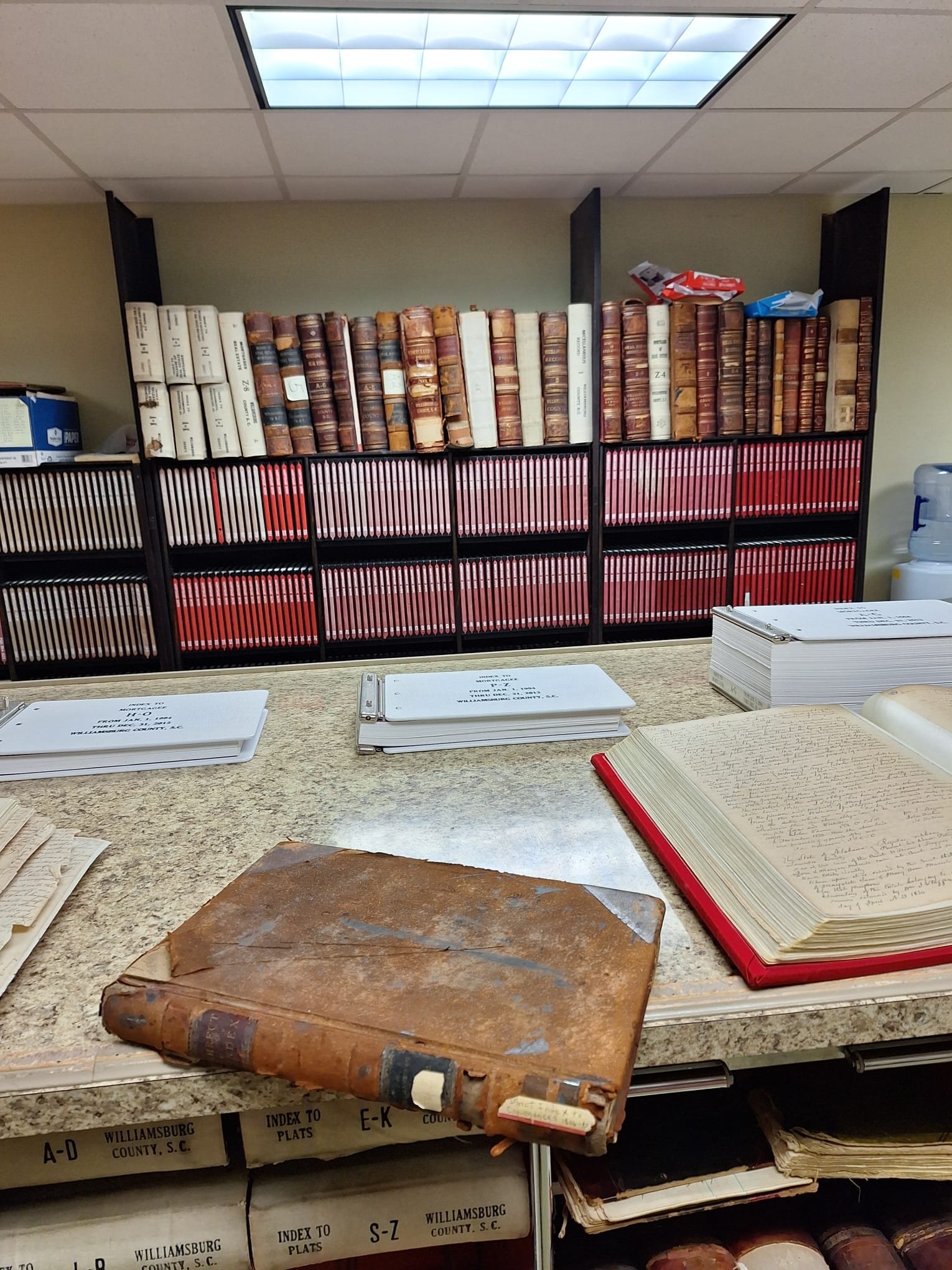
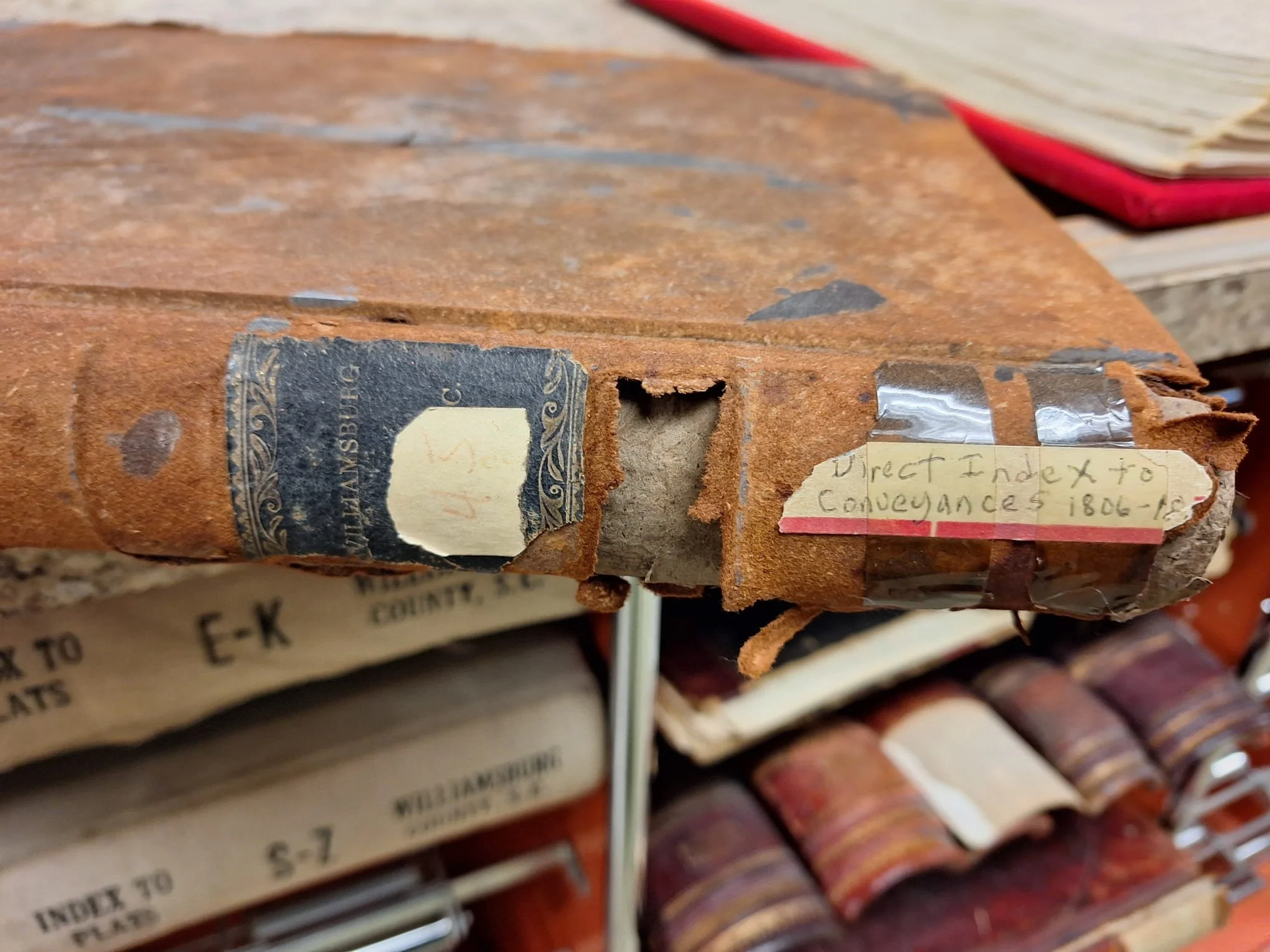
Elvira was enslaved in Barnwell and Williamsburg County in the years before the Civil War. There's no birth certificate for her. No death certificate. No headstone. What survives is a deed that named her as property, and letters, written by the family that owned her, that mentioned her by name almost in passing. That's how she exists in the record at all: because someone wrote her name down, not because anyone meant to remember her. You'll meet her properly in her own chapters. This whole archive exists because even that much survived.
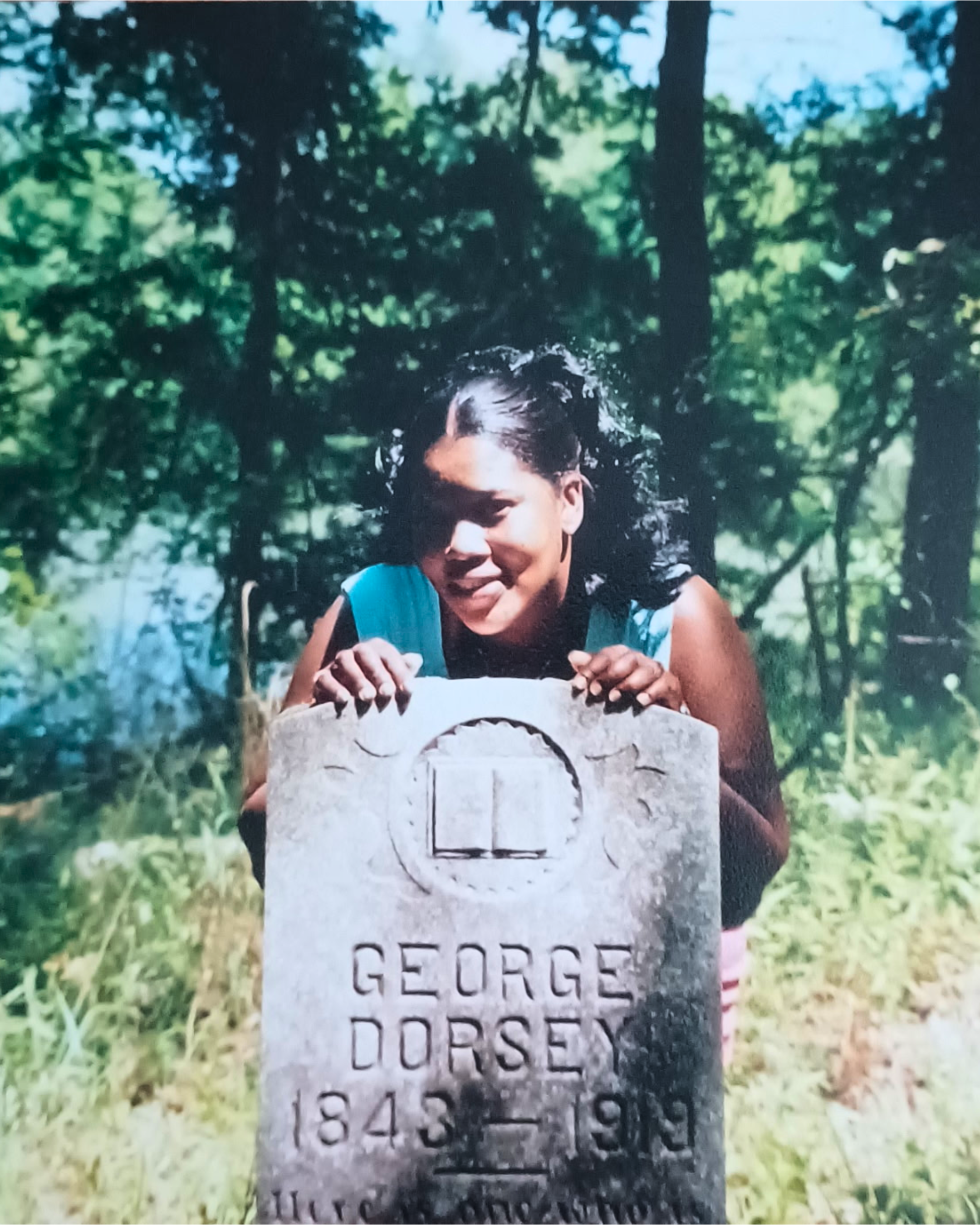
Twenty years ago I started pulling on a thread: letters nobody meant to keep, a deed that valued five people at five dollars, a headstone in a fenced-off corner of a cemetery that called a man "strictly honest and faithful" and then buried him apart from everyone else. I kept pulling. What came back was Elvira. Grace. Hampton. Rhina. Rosena. Names that were supposed to disappear into ledgers and estate inventories, still here, still known, because my family never stopped saying them at reunions even when no official record would.
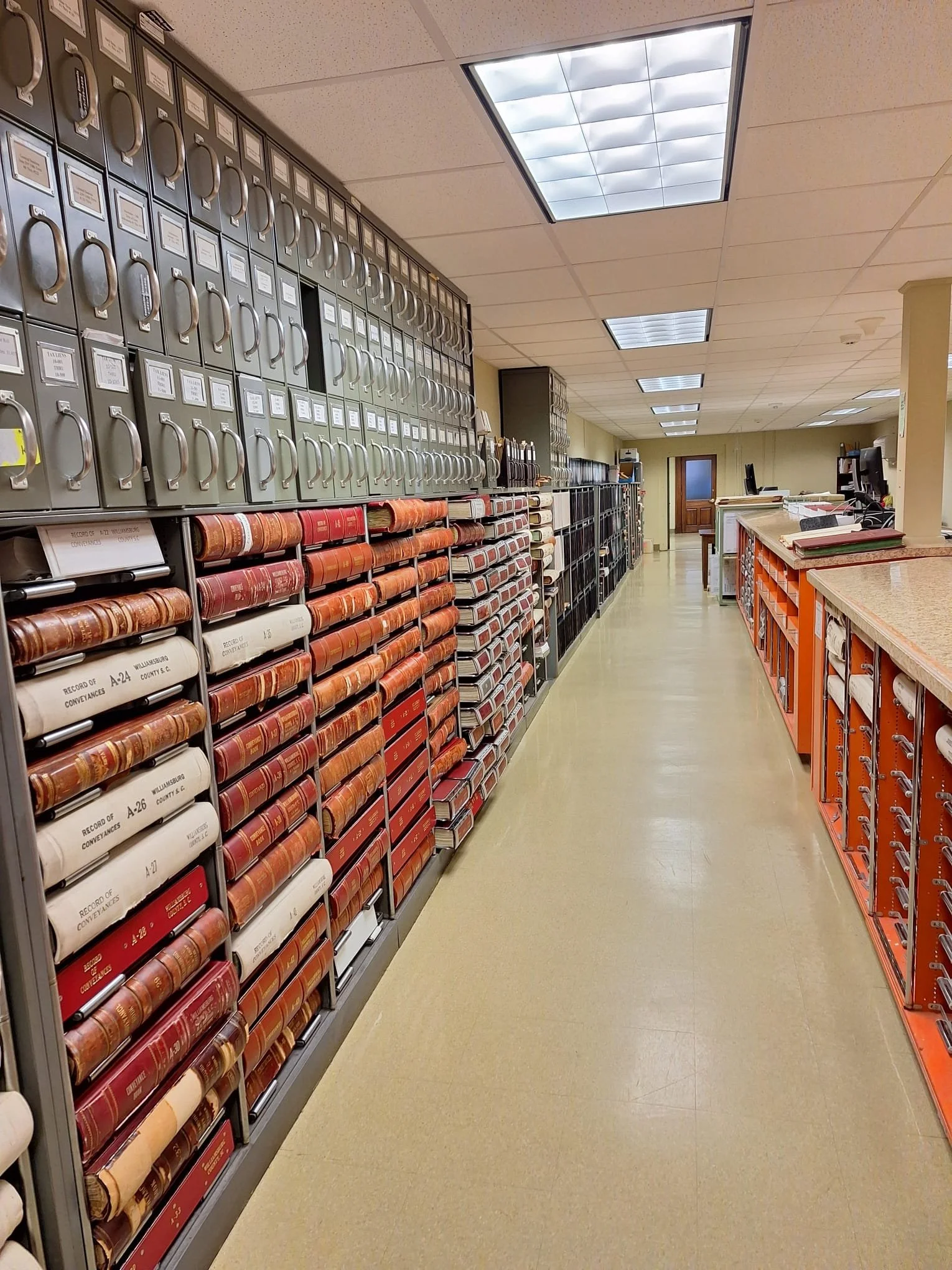
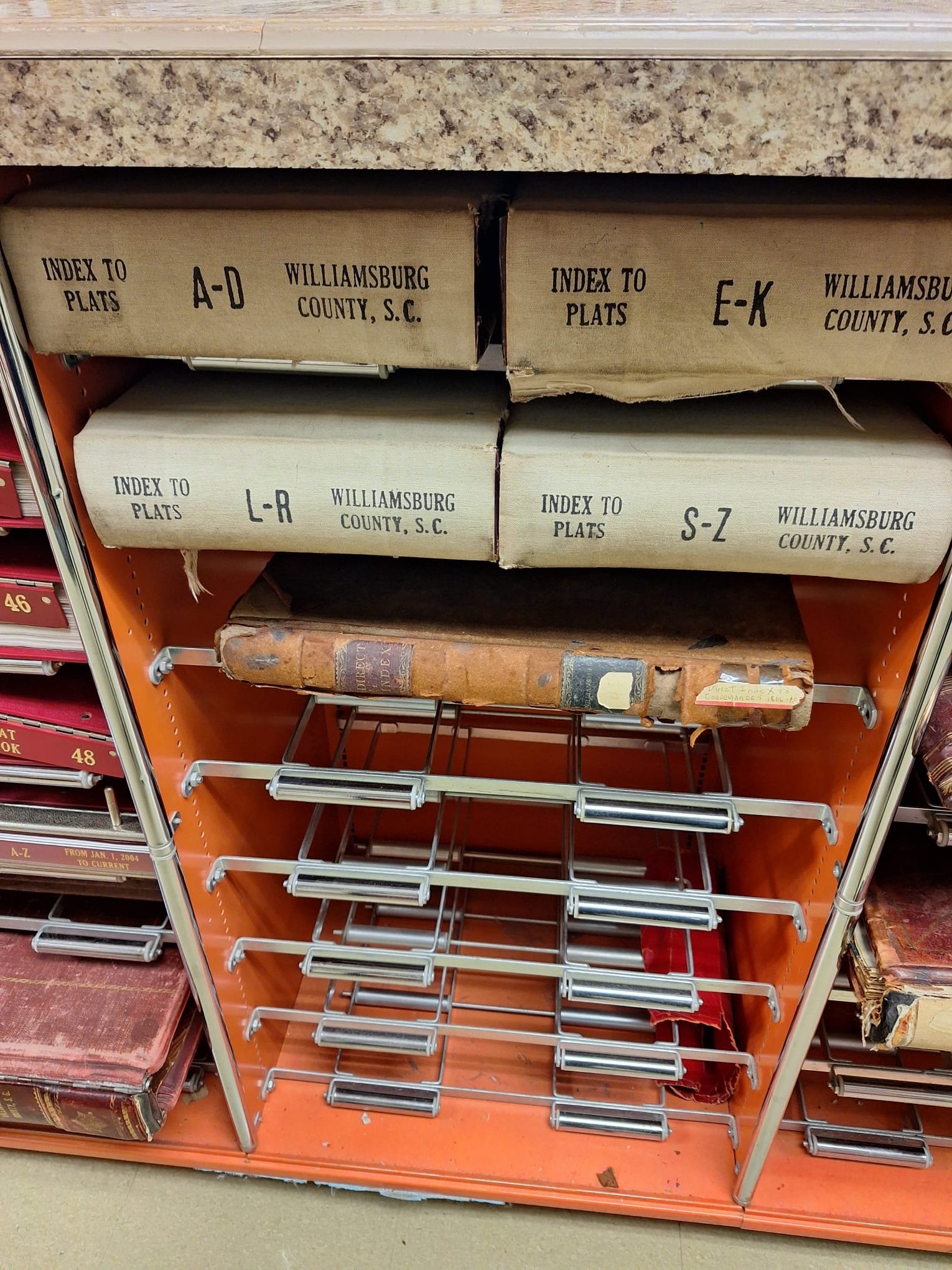
Our Mahogany Heritage is the organization I founded to do this work at scale, not just for my own family, but for the families of Williamsburg County and the wider Gullah Geechee Corridor whose histories were recorded the same way mine were: as property, not people. We use DNA research, primary-source documentation, and oral history to put names back where the record erased them, and we teach that history to the descendants who are still here to hear it.
Whispers from the Millpond is where that work lives. It's a project to preserve and interpret the Millpond Cemetery, the burial ground of Oak Hill Plantation in Nesmith, SC, supported by a subgrant from the Gullah Geechee Cultural Heritage Corridor Commission. This is not just an archive. It's American history that was meant to be forgotten. These were real lives, and they matter as much as any other part of this country's story. This site holds the wills, marriage settlements, deeds, and death certificates behind that cemetery, and the families connected to it: twelve families, hundreds of lives, one ground. I didn't do this alone. Other historians and archivists documented this county long before I did, and their work helped make mine possible. What you'll find here comes from deeds, letters, death certificates, headstones, and family stories passed down at reunions for generations. I try to be clear about which is which, what's confirmed on paper, and what's still oral history. That's the standard I hold this archive to.
This project is done in partnership with Mt. Ararat AME Church and Black Mingo/Belin Baptist Church, with Chicago Defender Charities serving as our fiscal agent.
I didn't do this work by myself. I believe God put this in front of me, and He's walked with me through every record, every dead end, every year of it. Almost a hundred and seventy years after Elvira's name was nearly lost for good, I get to be the one telling her story. That's not something I take lightly, and I'm grateful for it. Joel 1:3 tells us to tell our children, and let their children tell it to the next generation after them. That's what this archive is. That's what I was called to do.
George and Grace bought back the very land their family had once been forced to work, and this archive calls that what it was: a reclamation. This is our version of the same thing. We can't buy back what was taken from our ancestors, but we can make sure their names are never lost again. That's what we set out to do.