Nesmith, Williamsburg County, South Carolina

Black Mingo / Jacks Creek
Millpond Graveyard

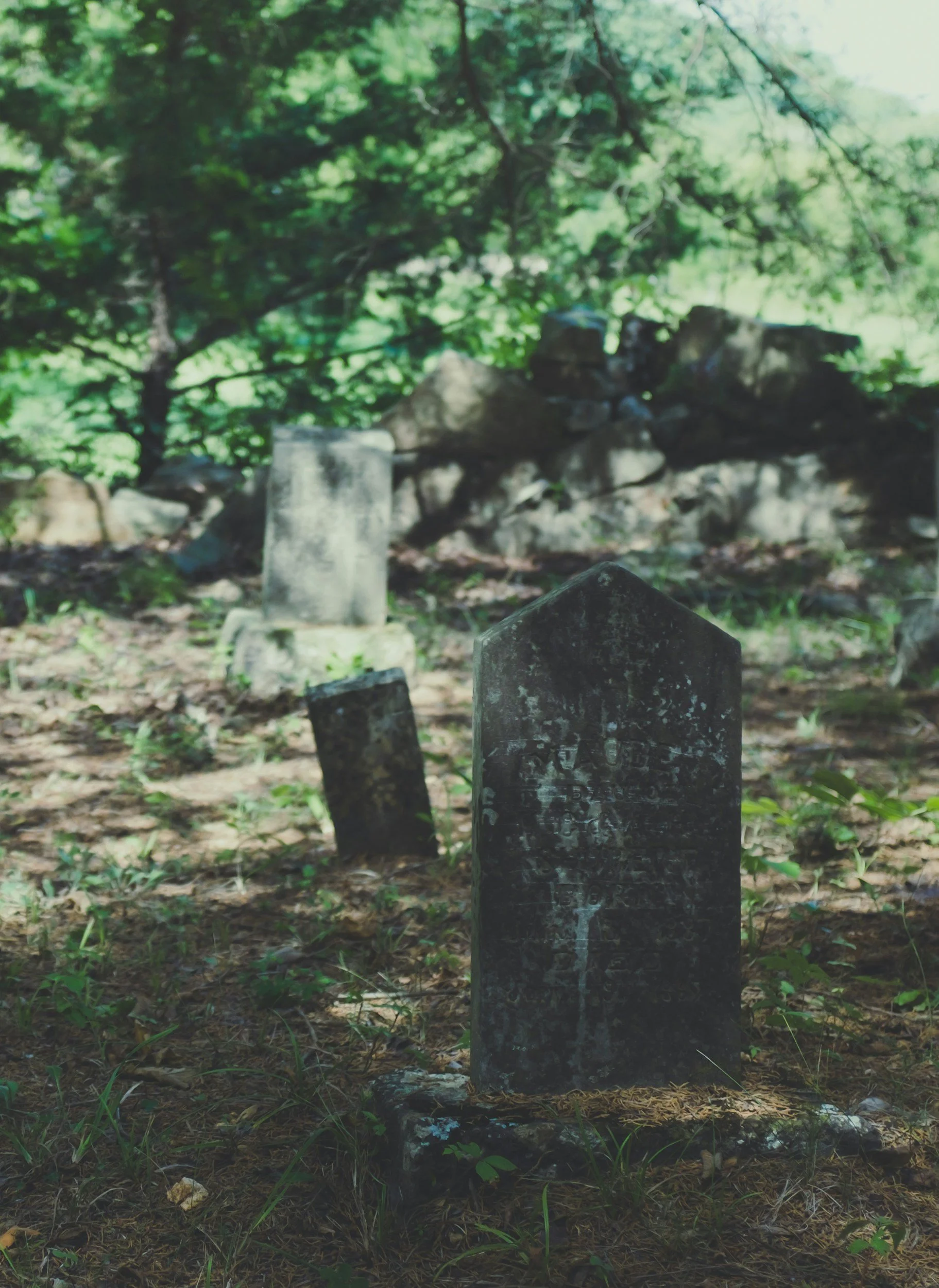
A sacred ground hidden at the edge of the millpond, where the names of the enslaved were swallowed by water and moss, yet the land itself remembers.

About This Place

Off a road most people don't know to turn onto, near Nesmith in Williamsburg County, there is a burial ground that holds the remains of enslaved men, women, and children. Their names were rarely written down. Their lives were rarely recorded. But they were here, and people who loved them made sure of that.

This chapter is about more than a cemetery. It is about what happens when the official record goes quiet and the only thing left is the ground itself. It follows the families connected to the Oak Hill Plantation world, the people who worked that land, built community on it, and eventually claimed a piece of it as their own resting place.

What you will find here are real people. Documented where the records allow. Acknowledged honestly where they don't. This is their ground, and this archive exists to make sure that is not forgotten.

They Weren't Supposed to Leave a Record

The Ground Kept Its Own Record

The plantation economy kept careful records. Cotton yields. Land values. Property transfers. It counted human beings among that property and wrote their names in the same columns as livestock and acreage. But it did not record their stories. It did not record what they built, who they loved, or what they left behind.

The ground did that instead.

The Place

In Nesmith, South Carolina, there is a cemetery at the end of a road most people don't know to turn onto. It sits where Black Mingo Creek meets Jack's Creek, Latitude 33.62059, Longitude 79.44557. It is one of the most complete, continuous records of Black family life in the Gullah Geechee Corridor.

This is the Millpond Cemetery, also called Jack's Creek Millpond Graveyard. The people buried here called it home ground. Their descendants still do.

Before There Were Graves, There Was a Millpond

Millponds were not scenic features. They were built infrastructure, creeks dammed to power gristmills that processed and shipped indigo, tobacco, and grain. The millpond at Jack's Creek was the engine of the local economy. The men and women who built it, who cleared the swamps, laid the dams, and kept the mill running season after season, did not own any of it.

They were owned.

During the American Revolution, General Francis Marion, known as the Swamp Fox, used this same ground around Jack's Creek to hide from British forces. The terrain kept him safe. The enslaved people who worked it every day had no such protection. They built the roads his militia rode. They knew every inch of that swamp. Not one of their names made it into the military record.

A Divided Ground

Even in Death, Separated

The cemetery shows you exactly what life in Williamsburg County looked like before, during, and after enslavement. White families buried in the main plots. Black families, the same people who cleared the land and worked the mills, buried separately. Sometimes behind a fence. Sometimes in sections that never made it onto an official map.

The church that once stood here is gone. What is left are brick pillars in the trees and the cemetery itself. Some headstones are worn down. Some inscriptions are already hard to make out. That is not a small thing. When those words go, the record goes with them.

When those words erode, they are gone. And with them, the only proof that these people were here, that someone knew them, that someone loved them enough to mark the spot.

Why This Documentation Exists

That is why this work exists. Not to preserve a place for its own sake, but to make sure the people buried here are not reduced to a faded stone in an overgrown field. They had names. They had families. Someone chose this ground for them. This archive is how we make sure that choice still counts.

The Families Buried Here

Not Strangers to This Land

These are not strangers to this land. Their descendants still live in Williamsburg County. Still own property here. They are connected not just by geography but by blood, by marriage, by shared labor, and by a shared determination to survive.

They did not just share a county. They buried each other's dead, named each other in their records, and chose the same ground for their rest.

Each family documented in this archive has a confirmed presence in Williamsburg County through death certificates, census records, and church documents. Where specific burial records name Millpond / Jack's Creek Cemetery directly, we note it. Where older documents list only a county or church affiliation, as was common in 19th and early 20th century record-keeping, we say so honestly and continue the research.

This archive is a living document. It grows as records surface.

What You'll Find in These Records

Names. Dates. Relationships.

Names. Dates. Relationships. Causes of death written in a doctor's hand on a form that is now over a century old. Headstone inscriptions that someone chose word by word, because the people who placed those stones understood that words were the only inheritance they could leave.

You'll find fathers and mothers. Children who didn't make it to adulthood. Men listed by occupation, farmer, laborer, who built an entire county's economy without receiving a dollar of its wealth. Women whose full lives are compressed into a single line on a death certificate, but whose family trees branch out across generations of survival.

Some of these records are hard to read. Not just because the handwriting is faded, but because of what they reveal about the world these families lived in.

Read them anyway.

The stories in this archive are American history. They were just never taught in school.

Twelve families. Hundreds of lives. One ground.

Meet the Families →

A Note on Our Sources

Every name in this archive is drawn from death certificates, census records, church records, FindAGrave documentation, and Tanya Jones's two decades of on-the-ground research in Williamsburg County, South Carolina. Where records conflict or a specific burial location is unconfirmed, we say so. We will never fill an archival gap with a guess.

If you have documents, photographs, or family knowledge that can help us fill those gaps, we want to hear from you.